What Is Scientific Lab Equipment Used For?
Scientific Lab Equipment turns questions into observations that researchers can record, compare, and test. A pipette measures tiny liquid volumes. A centrifuge separates samples by density. A microscope reveals structures too small for the unaided eye. These tools serve different purposes, but each helps make experimental work more precise and repeatable.
Equipment alone does not guarantee reliable results. Researchers must choose suitable instruments, follow operating procedures, and check calibration records. A balance on a level bench can weigh samples accurately; a draft or an unverified scale can undermine that reading. Small details matter. Even careful teams can overlook them, which is why routine checks and clear documentation remain essential.
Experimental physicist Richard Feynman offered a useful caution: “The first principle is that you must not fool yourself—and you are the easiest person to fool.” His warning is not specifically about laboratory equipment, but it applies to measurements made with it. Instruments produce readings; people still need to question how those readings were obtained. In this guide, we’ll explore what Scientific Lab Equipment is used for, how common tools support research and testing, and what users should consider when selecting and maintaining them. The right instrument depends on the task, sample, and required level of accuracy. There is no universal setup. A well-chosen tool can make work clearer, though no device removes the need for sound judgment.
What Scientific Laboratory Equipment Is
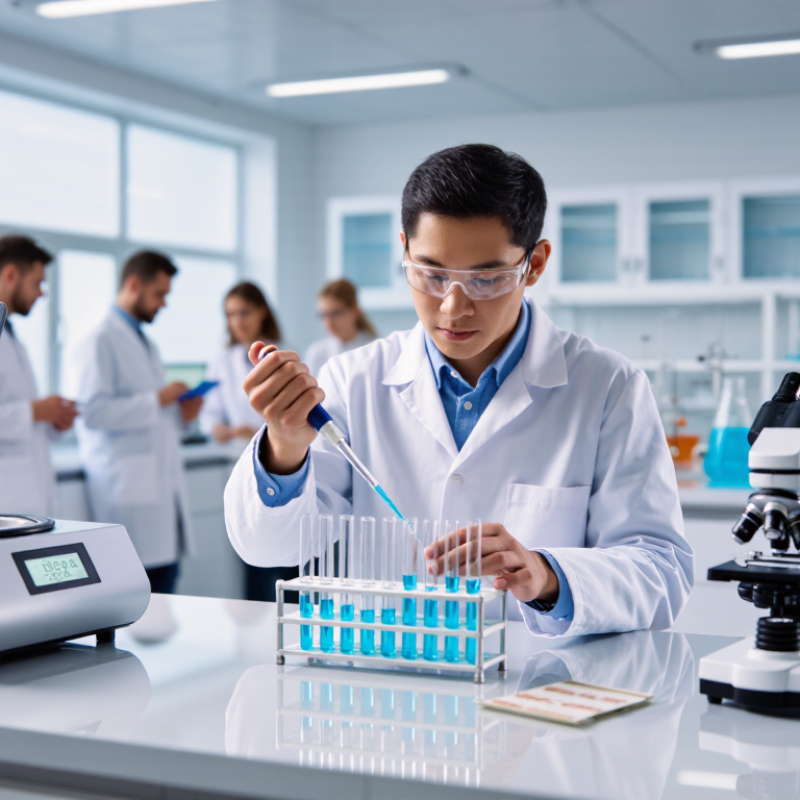
Scientific laboratory equipment is the set of tools used to observe, measure, prepare, and analyze materials under controlled conditions. It ranges from glass beakers and pipettes to balances, microscopes, centrifuges, and temperature-controlled ovens. Each tool serves a specific task: a balance measures mass, while a microscope reveals details too small to see unaided. Some equipment is simple. Some requires careful calibration.
In practice, equipment helps researchers produce repeatable data, test ideas, and document how samples change. A pipette transfers a measured liquid volume; a pH meter checks acidity; a centrifuge separates components by density. The right choice depends on the sample, measurement range, and method being followed. Even familiar instruments can mislead when dirty, damaged, or used beyond their limits. That is easy to overlook.
Tips: Check calibration dates and inspect glassware for chips before use. Match protective gear and cleaning procedures to the equipment and sample. Record settings, units, and unusual readings; a small note can prevent a large misunderstanding.
What Is Scientific Lab Equipment Used For?
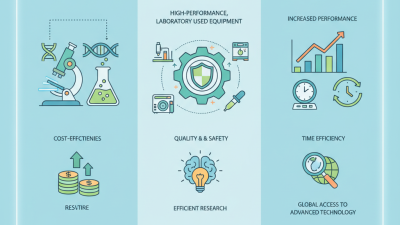
Common equipment helps researchers measure, observe, transfer, separate, and sterilize materials.
Bars count the routine-use examples listed for each item; they do not represent usage frequency or performance.
The Main Purposes of Laboratory Equipment
Scientific lab equipment helps people observe, measure, prepare, and test materials under controlled conditions. A balance measures small changes in mass, while a graduated cylinder helps estimate liquid volume. Microscopes reveal details too small to see clearly with the eye. These tools turn questions into observations that can be recorded and compared. Precision matters. Yet no instrument is perfect; readings can shift with temperature, calibration, or handling.
Different tools serve different stages of an experiment. Glassware holds or transfers samples, and pipettes deliver measured amounts of liquid. Centrifuges separate components by spinning samples at high speed. Thermometers and sensors track conditions such as temperature and pressure. Protective equipment, including safety glasses and gloves, helps reduce exposure to splashes or heat. Proper cleaning and maintenance also matter. A dirty flask can affect results, even when the procedure seems sound. It is easy to overlook that.
Tips: Check an instrument’s condition and calibration before use. Record units and settings beside each measurement. Keep samples clearly labeled, and follow the equipment’s operating instructions. Small habits prevent avoidable errors.
What Is Scientific Lab Equipment Used For? - The Main Purposes of Laboratory Equipment
| Equipment |
Main Purpose |
Typical Laboratory Use |
Important Consideration |
| Analytical balance |
Measures the mass of samples with high precision. |
Weighing chemicals for solution preparation or quantitative analysis. |
Use on a stable, level surface and avoid drafts; check calibration as required. |
| Microscope |
Magnifies small structures that cannot be seen clearly with the unaided eye. |
Examining cells, microorganisms, tissue sections, or material surfaces. |
Select suitable magnification and illumination; prepare and handle slides carefully. |
| Centrifuge |
Separates components of a sample by spinning them at high speed. |
Separating cells from liquid or collecting particles from a suspension. |
Balance opposing tubes and use rotors and containers rated for the operating speed. |
| Micropipette |
Transfers small, measured volumes of liquid. |
Dispensing reagents into reaction tubes, plates, or sample containers. |
Use the correct volume range and a compatible disposable tip; change tips to reduce contamination. |
| pH meter |
Measures how acidic or alkaline a solution is. |
Checking buffer solutions, culture media, and water samples. |
Calibrate with appropriate buffer solutions and rinse the electrode between samples. |
| Spectrophotometer |
Measures how much light a sample absorbs or transmits at selected wavelengths. |
Estimating concentration or monitoring chemical and biological reactions. |
Use a suitable blank and clean, correctly oriented cuvettes. |
| Autoclave |
Sterilizes suitable materials using saturated steam under pressure. |
Processing reusable instruments, laboratory media, and certain waste loads. |
Follow validated cycle settings and load instructions; not all materials are autoclavable. |
| Fume hood |
Helps contain and exhaust hazardous vapors, gases, and aerosols from work areas. |
Handling volatile chemicals or performing procedures that may release hazardous fumes. |
Keep the sash at the recommended height and avoid blocking airflow openings. |
Common Equipment and the Tasks It Performs
Scientific lab equipment helps researchers observe, measure, prepare, and protect samples. A microscope enlarges details such as cell shapes or mineral grains; careful focusing matters because a vivid image can still be misleading. A balance measures mass, while a graduated cylinder measures liquid volume. For small volumes, a pipette transfers measured amounts into tubes or wells.
Some tools control conditions. An incubator keeps samples at a selected temperature, and a centrifuge separates materials by spinning them rapidly. A pH meter checks acidity, but its reading depends on clean electrodes and regular calibration. Glassware, forceps, and spatulas support routine handling and preparation. Gloves and safety goggles reduce exposure to splashes or broken glass, though they do not replace good procedures.
Equipment works best when its limits are understood. A thermometer can show a stable temperature, yet a poorly placed probe may miss warmer spots. Records of settings, calibration dates, and sample labels help others interpret results. In practice, setup often takes longer than expected. Small habits matter: rinse a cylinder promptly, check a pipette setting, and keep lids closed when contamination is a concern. Even then, measurements may need repeating; a tidy bench does not guarantee reliable data.
How Equipment Supports Scientific Testing and Research
Scientific lab equipment turns research questions into measurements that can be checked and repeated. Pipettes deliver small liquid volumes, balances measure sample mass, and microscopes reveal details invisible to the eye. Centrifuges separate components; incubators hold samples at controlled temperatures. These tools help researchers compare results under consistent conditions. Small details matter. A loose lid or poorly mixed sample can affect a reading.
The scale of research makes dependable measurements essential. The U.S. National Center for Science and Engineering Statistics estimated that American research and development spending reached $892 billion in 2022, in its National Patterns of R&D Resources report. UNESCO’s 2021 Science Report put global research and development spending at 1.79% of GDP in 2018. Equipment alone does not guarantee sound results. Calibration records, control samples, and careful cleaning help reveal whether a difference reflects the experiment or the instrument. In practice, a precise device can still produce a precise mistake if preparation is poor. Automation saves time, but researchers must still question unexpected readings and document how measurements were made.
Safe and Accurate Use of Laboratory Equipment
What Is Scientific Lab Equipment Used For?
Scientific laboratory equipment supports measurements, preparation, observation, and testing. Safe, accurate results depend on using each tool as intended. Read the operating instructions before use, and check glassware for chips or cracks. Set balances on stable, level surfaces, then allow readings to settle. For accurate weighing, close draft shields and tare the container. Small details matter.
Tips: Match personal protective equipment to the task and its risk assessment. Keep cords and work surfaces clear. Secure centrifuge tubes evenly, and never open a centrifuge while its rotor is moving. Clean equipment using approved procedures, not guesswork.
Calibration and routine checks help reveal problems before they affect results. Record relevant settings, readings, and maintenance so another person can understand what happened. If an instrument gives an unexpected result, pause and check the setup, sample, and instructions before repeating the measurement. A checklist is useful, but it cannot explain every odd noise or unstable reading. That uncertainty deserves attention, not a quick workaround.