Top Industrial Lab Equipment You Need for Effective Research and Development?
In the fast-paced world of research and development, the right tools can significantly impact results. Industrial Lab Equipment plays a crucial role in driving innovation. These tools not only enhance efficiency but also ensure the accuracy of experiments. When selecting equipment, various factors must be considered. The right instruments can lead to breakthroughs, while inadequate tools can hinder progress.
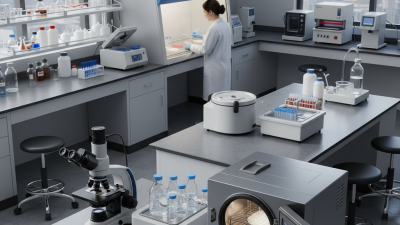
Essential Industrial Lab Equipment includes a variety of instruments tailored for specific functions. From analytical balances to fume hoods, each piece contributes to the overall effectiveness of research efforts. However, not all equipment is equal. Researchers must assess their needs and investment priorities carefully. The reliance on outdated tools can lead to unreliable data, emphasizing the importance of regular upgrades.
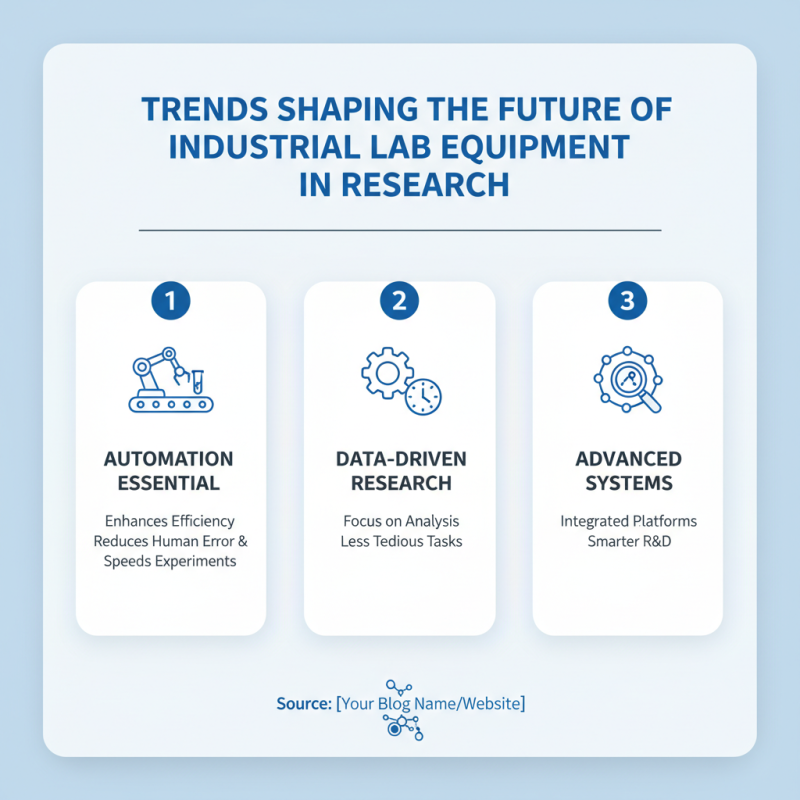
Moreover, the landscape of research is ever-changing. New technologies emerge frequently, making it vital to stay informed. Industry experts often discuss the latest advancements, underscoring the necessity for continuous training. Researchers should reflect on their lab's goals and the equipment that aligns with those objectives. This thoughtful approach can pave the way for successful outcomes in diverse projects.
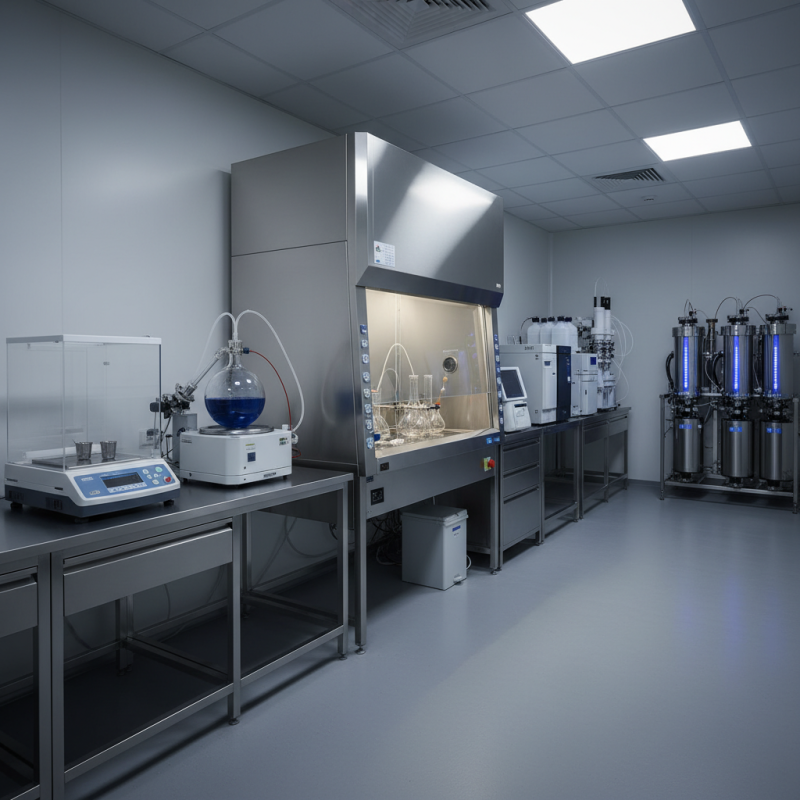
Essential Laboratory Equipment for Research and Development Success
Research and development thrive on the right laboratory equipment. Essential tools can dramatically influence the outcomes of experiments. Investing in quality equipment is crucial.
Consider a fume hood. It protects researchers from dangerous fumes. This equipment is vital for safety. Without it, lab work can become risky. Always ensure it's well-maintained to prevent accidents.
Microscopes are another key tool. They allow researchers to observe samples closely. A good microscope reveals details invisible to the naked eye. This can lead to unexpected findings. However, not all microscopes are equal. Assess your specific needs carefully.
Tips: Regular calibration and maintenance of microscopes ensure accuracy. This can save time and resources in the long run. Education on equipment use boosts effectiveness. An informed team is a productive team.
Key Features to Look for in Industrial Lab Equipment
When selecting industrial lab equipment, certain key features are crucial for effective research and development. Portability is vital. Equipment that is easy to move allows for flexible lab layouts and multi-project setups. Advanced environmental controls enhance accuracy. Reports indicate that precise temperature and humidity management can improve experiment reliability by over 30%.
Durability stands out in lab setting demands. Equipment must withstand rigorous use. High-quality materials extend lifespan, preventing frequent replacements. Customizable features further enhance usability. According to a recent study, 45% of researchers favor equipment that can adapt to varying project needs.
User-friendly interfaces improve efficiency. A report highlighted that labs with intuitive equipment saw a 25% increase in productivity. Basic training becomes easier; less time is spent on operations. Despite these advantages, some labs still overlook equipment calibration. Regular checks ensure accuracy, but many forget this critical aspect. It can result in misleading data, impacting research outcomes. A balanced approach to equipment selection leads to better research and development efforts.
Top Industrial Lab Equipment You Need for Effective Research and Development
| Equipment Type |
Key Features |
Applications |
Price Range ($) |
| Microscope |
High magnification, digital imaging capabilities, ergonomic design |
Biological research, material analysis |
500 - 5000 |
| Centrifuge |
Variable speeds, automatic lid lock, temperature control |
Cell separation, protein purification |
300 - 2000 |
| Spectrophotometer |
Wide wavelength range, user-friendly interface, fast data acquisition |
Chemical analysis, quantification |
1000 - 6000 |
| pH Meter |
Automatic temperature compensation, data logging, waterproof |
Water quality testing, educational laboratories |
150 - 500 |
| Fume Hood |
Ventilation system, adjustable sash, safety alarms |
Chemical handling, protection against hazardous fumes |
2000 - 15000 |
Types of Lab Equipment Critical for Innovation and Development
In today's fast-paced research and development landscape, having the right lab equipment is crucial. Certain types of equipment stand out as vital for fostering innovation. Analytical balances, for example, ensure precise measurements. This is essential for producing reliable results. Having a reliable spectrophotometer can help assess chemical properties accurately, shaping the direction of experiments.
Tips: Regular calibration of your lab equipment is a must. This ensures precision and reliability in your results. Always consult experts when installing complex machinery. It can save time and avoid mishaps.
Quality control tools are also paramount. These tools help in maintaining the standards necessary for effective research. A good fume hood ensures safety while conducting experiments with volatile chemicals. However, not all hoods are created equal, and you should evaluate their performance regularly. This can prevent dangerous situations in the lab.
Incorporating digital tools can also streamline workflows. Lab management software can facilitate data organization and enhance collaboration. However, ensure that everyone is trained to use these systems effectively, or inefficiencies may arise.
Top Industrial Lab Equipment for Effective Research and Development
Maintenance and Safety Considerations for Lab Equipment
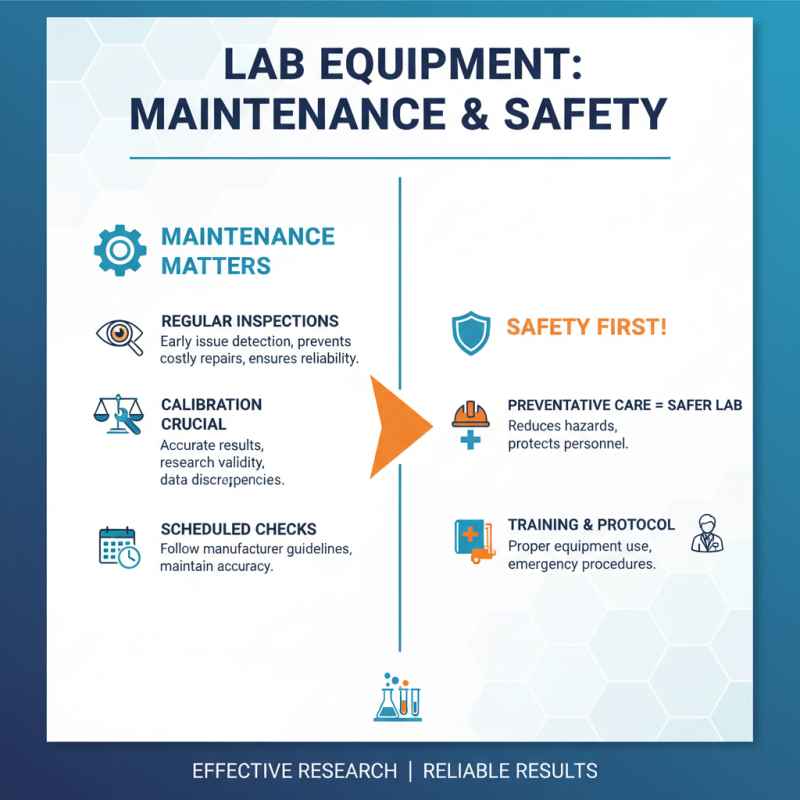
Maintaining lab equipment is crucial for effective research and development. Regular inspections are necessary to identify potential issues early. These checks help prevent costly repairs and ensure equipment reliability. Calibration is another vital step. Properly calibrated instruments provide accurate results, which is essential for research validity. Missing a calibration schedule can lead to significant discrepancies in experimental outcomes.
Safety considerations should never be overlooked. Equipment needs to be used according to safety guidelines. Protective gear is essential when handling hazardous materials, even in controlled environments. Regular training for lab personnel fosters a safety culture. Despite precautions, accidents can happen. Always have a plan for emergencies. An accessible safety kit is a must.
Documenting maintenance activities is often neglected. Keeping a log helps track the history of each piece of equipment. This practice aids in identifying patterns and anticipating issues. However, this requires consistent effort and attention to detail, which staff may overlook during busy periods. Remember that reliable data stems from well-maintained equipment, making it a priority in any laboratory setting.