Top 10 Food Safety Kits You Need for Your Kitchen?
In today's world, food safety is more important than ever. To ensure a healthier kitchen environment, having the right tools is essential. Food Safety Kits can provide you with the necessary equipment to prevent contamination. Many people overlook these kits, but they can make a significant difference.
Imagine a scenario where you quickly access a thermometer to check your meat's temperature. Or picture yourself using gloves to handle raw ingredients safely. These are just a few benefits of having Food Safety Kits. They help avoid mistakes and misjudgments in the kitchen that could lead to foodborne illnesses.
However, it’s easy to underestimate their importance. Some might think that regular kitchen tools are enough. The truth is that having specialized kits can elevate your cooking experience. They offer peace of mind, knowing you are practicing safe food handling. Embracing these resources can transform a simple meal prep into a well-organized, safe process.
Essential Features of Food Safety Kits for Your Kitchen
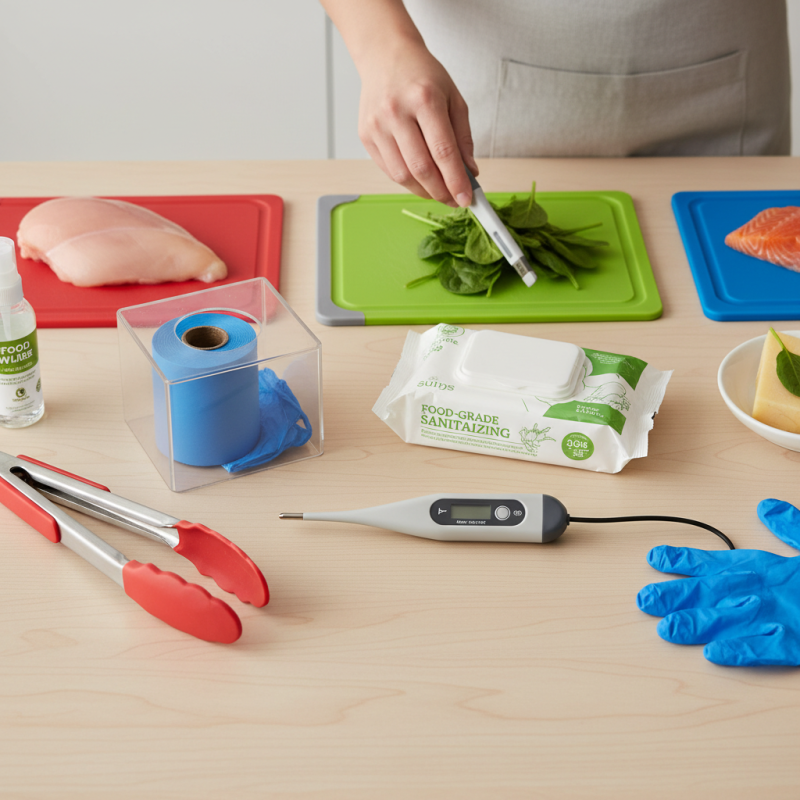
Food safety kits are essential for any kitchen. They help ensure your food is safe to eat. Key features in these kits include thermometers, sanitizers, and food safety guides. According to the FDA, improper food handling causes 48 million illnesses a year in the U.S. Proper tools can reduce this risk.
When choosing a food safety kit, consider thermometers. They ensure that food is cooked to the right temperature. The USDA recommends a minimum internal temperature of 165°F for poultry. A digital thermometer is often easier to read and quicker than traditional ones. Some kits offer color-coded cutting boards to avoid cross-contamination. This simple addition can greatly decrease the chances of foodborne illness.
Sanitizers are another crucial feature. Having a reliable sanitizer spray can help keep surfaces clean. Often, people overlook surface cleaning. This can lead to bacteria moving from countertops to food. According to a report from the CDC, 1 in 6 Americans gets sick from foodborne diseases each year. Investing in a good food safety kit is not just about convenience; it’s about protecting health.
Top 10 Must-Have Food Safety Kits for Home Cooks
Food safety is vital for home cooks. According to the CDC, approximately 48 million people get sick from foodborne illnesses each year in the United States. That’s one in six Americans. Proper food safety kits can significantly reduce this risk.
Essential tools include digital thermometers and food safety gloves. These items ensure precise cooking temperatures. It’s alarming that 22% of food poisoning cases occur from undercooked meals. Using thermometers helps eliminate this issue. Also, sanitizer wipes or sprays are crucial. They can cut bacteria on surfaces by up to 99%. Many food safety kits include these items.
Having a food safety kit promotes good habits. Yet, many home cooks overlook simple practices. The USDA states that 73% of people don’t wash their hands during food preparation. Consider this: are you one of them? This oversight can lead to serious health risks. Investing in a food safety kit can keep your kitchen safe and help protect your loved ones from potential harm.
Top 10 Food Safety Kits for Home Cooks
How to Choose the Right Food Safety Kit for Your Needs
Choosing the right food safety kit for your kitchen is crucial. It ensures you have all the necessary tools to keep your food safe. Look for kits that include essential items like food thermometers, color-coded cutting boards, and food storage containers. These tools help minimize cross-contamination.
When assessing your needs, consider the size of your kitchen. A compact space may need fewer items. Think about the type of food you prepare most often. If you handle raw meats, extra sanitation wipes can be beneficial. Remember that not all kits are created equal; some may include gadgets you may never use.
Tips for specific needs: If you often cook for large groups, consider a kit with bulk storage solutions. For health-conscious cooks, look for kits with items focused on fast cooling methods. Always check that the items are durable and easy to clean. Balancing function and convenience is key, so reflect on what fits your cooking style best.
Top 10 Food Safety Kits You Need for Your Kitchen
| Kit Name | Included Items | Best For | Price Range |
| Basic Food Safety Kit | Thermometer, Gloves, Sanitizer | Home Cooks | $20 - $30 |
| Comprehensive Safety Kit | Thermometer, Gloves, Sanitizer, Apron | Professional Chefs | $50 - $70 |
| Budget Safety Kit | Thermometer, Basic Gloves | Students | $10 - $15 |
| Vegetarian Safety Kit | Thermometer, Veggie Peeler, Gloves | Vegetarians | $25 - $35 |
| Baking Safety Kit | Thermometer, Oven Mitts, Gloves | Bakers | $30 - $40 |
| Outdoor BBQ Kit | BBQ Gloves, Meat Thermometer, Spray | BBQ Enthusiasts | $40 - $60 |
| Seafood Safety Kit | Thermometer, Ice Pack, Gloves | Seafood Lovers | $35 - $50 |
| Kids Safety Cooking Kit | Child-Safe Thermometer, Colorful Gloves | Parents with Kids | $15 - $25 |
| Allergen-Free Kit | Thermometer, Non-allergenic Gloves | Allergy Sufferers | $30 - $45 |
| Farm-to-Table Kit | Organic Thermometer, Reusable Bags | Sustainability Advocates | $45 - $55 |
Understanding Food Safety Standards in Kitchen Equipment
Food safety standards play a crucial role in ensuring a healthy kitchen environment. They cover everything from food handling to equipment cleanliness. Understanding these standards is essential for preventing contamination and foodborne illnesses. For instance, using cutting boards exclusively for raw meats can significantly reduce cross-contamination risks.
Regularly checking the temperature of refrigerators and freezers is another key aspect. Ideal temperatures help slow bacterial growth. Many people overlook this task, leading to potential food spoilage. Small details, like sanitizing kitchen tools after each use, can also make a big difference.
It's easy to adopt bad habits, especially under pressure. Rushed cooking can lead to neglecting sanitation practices. For instance, not washing hands properly before meal prep creates risks. Every kitchen needs a constant reminder to prioritize food safety. Reflecting on these practices can foster a healthier cooking space for everyone.
Tips for Maintaining and Using Food Safety Kits Effectively
When using food safety kits, keep your kitchen organized. Store all tools in a designated area. This prevents cross-contamination and makes items easy to find. Assign roles for family members if they help cook. Each can be responsible for specific tools or tasks. This encourages accountability.
Regularly inspect the contents of your kit. Check for expiration dates on thermometers and test strips. It’s easy to forget, but this can lead to safety risks. Some items might be gathering dust. Replace anything that seems unreliable. Don’t hesitate to discard old items. It’s vital to have functional tools.
Make a habit of using your kit every time you cook. Measure temperatures for meats and ensure proper storage for leftovers. A food safety checklist can be useful. Yet, it’s easy to overlook some steps. Reflect on cooking practices and identify areas for improvement. Adopting a proactive mindset can significantly enhance food safety.
