China Top PV Cable Harness Manufacturers How to Choose?
Choosing China’s top PV Cable Harness manufacturers requires more than comparing online rankings or factory photos. A harness may look simple, yet its connectors, crimping, insulation, and sealing affect an entire solar system. Small defects can create heat, voltage loss, or difficult maintenance months later. The right supplier should demonstrate practical experience with module layouts, inverter connections, and outdoor installation conditions.
This guide explains how to evaluate manufacturers through measurable evidence. Ask for material specifications, crimp-force records, electrical test results, and production traceability. Inspect whether copper conductors are properly plated and whether cable jackets resist sunlight, moisture, and temperature changes. Request samples before placing a large order. Check connector compatibility carefully. One mismatched component can interrupt field installation.
Factory capability matters. Review equipment condition, operator training, quality-control procedures, and final inspection records. Reliable manufacturers should communicate tolerances clearly, not hide behind attractive prices. They should also provide consistent documentation and responsive technical support. Certifications can support credibility, but certificates alone cannot prove stable production.
Look closely at the details. Does each batch carry an identifiable code? Are rejected harnesses isolated? Can the supplier explain its testing method without vague promises? These questions reveal more than a polished catalog.
No shortlist is perfect. A supplier with advanced equipment may still have weak communication. Another may offer excellent support but limited capacity. Buyers should balance quality, lead time, customization, cost, and after-sales responsibility. A careful decision comes from verified samples, factory evidence, and honest risk assessment—not from a headline claiming “top manufacturer.”
What Is a PV Cable Harness and Why Does Manufacturer Choice Matter?
A PV cable harness is a pre-assembled group of Solar Cables, connectors, terminals, and protective parts. It links modules, junction boxes, inverters, and other photovoltaic equipment. Unlike loose cable, a harness arrives cut, stripped, crimped, and tested for installation. This can reduce wiring time on a rooftop or solar field. It also limits connection mistakes. Small errors matter.
A dependable manufacturer controls conductor quality, insulation thickness, connector fit, and crimp pressure. Tinned copper conductors can resist corrosion in humid environments, while UV-resistant insulation helps cables survive years of sunlight. Experienced manufacturers should provide clear drawings, material records, electrical test results, and batch traceability. Useful checks include pull-force testing, insulation resistance testing, thermal cycling, and water-ingress evaluation. Ask for evidence, not only promises.
Manufacturer choice affects safety, maintenance, and long-term output. A poorly crimped terminal may heat under load, even when the cable looks perfect. In my experience, installation teams often notice this problem only after repeated temperature changes. A low quotation is not automatically wrong. However, unclear materials and missing test data deserve careful questioning. Even skilled buyers can overlook connector compatibility or cable length during urgent projects. A practical supplier will review voltage, current, ambient temperature, bending radius, and installation conditions before production. The best decision is rarely based on price alone. Specifications need another look.
Which Technical Standards Apply to PV Cable Harnesses?
PV cable harnesses work outdoors for decades, so technical standards should guide supplier selection. IEC 62930 covers single-core cables for photovoltaic systems, including insulation, voltage ratings, and environmental durability. In Europe, EN 50618 commonly applies to H1Z2Z2-K solar cables. In North America, UL 4703 may be required by the installation authority.
The cable is only one part of the harness. Connectors should meet IEC 62852, while conductor construction should follow IEC 60228. Flame behavior may involve IEC 60332 testing, and enclosure protection can be assessed under IEC 60529. These standards do not automatically prove that every assembled harness is safe. Crimp height, pull force, contact resistance, and sealing quality need separate production controls.
Field inspections often find loose crimps hidden beneath clean insulation. That detail matters. A reliable manufacturer should provide material certificates, batch traceability, test records, and clear compatibility data for mating connectors. The harness should also match the project’s voltage, current, temperature, bending radius, and installation method. IEC 62548 can help assess photovoltaic array installation requirements, while local electrical codes may add stricter conditions. Requirements differ by market. Sometimes, buyers focus too heavily on certification labels and overlook assembly testing. That is an understandable mistake, but the label alone cannot reveal poor workmanship.
How to Compare China’s Top PV Cable Harness Manufacturers?
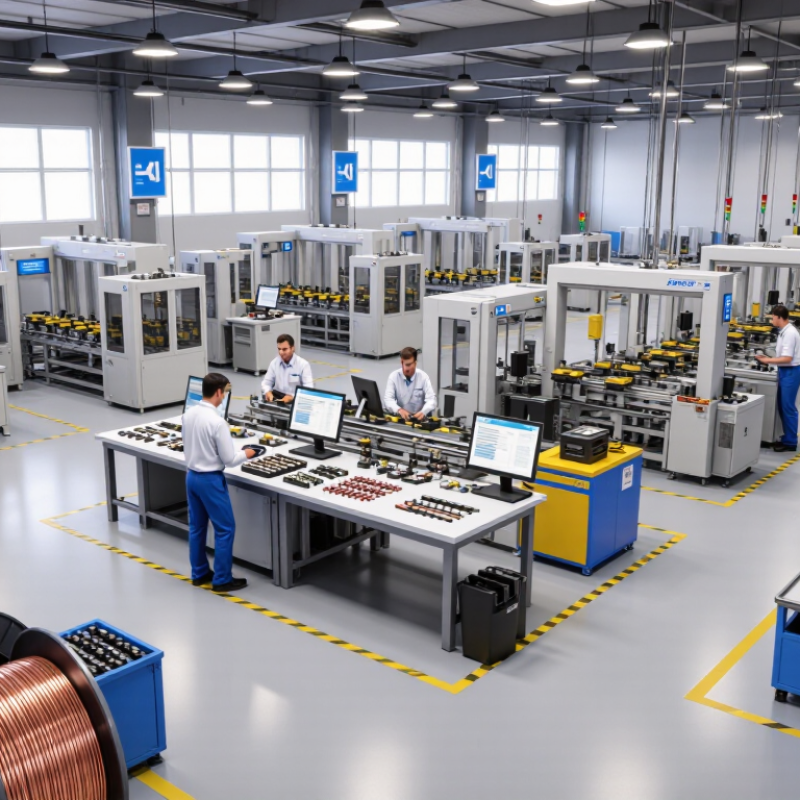
When comparing China’s top PV cable harness manufacturers, look beyond attractive product photos and low quotations. Check their experience with utility, commercial, or rooftop solar projects. Ask for cable cross-section reports, connector compatibility records, and test results for crimp strength, insulation resistance, and waterproof performance. A capable supplier should explain its production process clearly, from wire cutting to final inspection.
Factory evidence matters. Review certifications, material traceability, and quality-control procedures during a video or on-site audit. Check whether each harness receives continuity testing and visual inspection.
Examine sealing rings, copper terminals, cable jackets, and connector locking points. Small defects often appear there. Confirm resistance to UV exposure, heat, moisture, and mechanical stress. Do not accept vague claims.
Commercial details also deserve comparison. Request samples from several manufacturers and install them on a mock panel system. Measure fitting accuracy, bending flexibility, and installation time. Compare minimum order quantities, delivery schedules, packaging, replacement policies, and technical response speed. A lower price may become expensive when crimp failures delay field work. Documentation can also reveal professionalism: clear drawings, batch numbers, inspection records, and change-control notices are useful signs.
No supplier is perfect. A polished sample can hide inconsistent mass production, so repeat testing is wise. One overlooked issue is cable length tolerance; even a small mismatch can complicate installation. Choose the manufacturer that provides verifiable evidence, accepts reasonable scrutiny, and improves when weaknesses are identified.
How to Select the Right Manufacturer for Your Solar Project?
How to Select the Right Manufacturer for Your Solar Project?
A suitable PV cable harness manufacturer should match your project’s voltage, climate, and installation method.
According to IEA PVPS Trends 2024, global solar capacity exceeded 1.6 terawatts after about 456 gigawatts were added in 2023. This scale increases pressure on every connection. Small failures can create large maintenance costs.
Ask for complete test evidence, not attractive samples. Check conductor cross-section, insulation material, crimp geometry, and connector compatibility.
The cables should meet relevant requirements such as IEC 62930 or EN 50618, where applicable.
Request thermal cycling, UV exposure, moisture resistance, and pull-force records. Salt-mist testing matters near coastlines. So does cold flexibility.
Visit the factory if the project is large.
Observe material traceability, crimp-height controls, and final electrical testing. A reliable supplier can show batch records and explain rejection handling.
SolarPower Europe’s Global Market Outlook 2024–2028 expects continued strong PV deployment, making supply consistency increasingly important. Delivery speed is useful, but repeatable quality matters more.
I would also test a small pilot batch before signing a large contract. That step feels slower. It can reveal weak crimps, unclear labels, or packaging damage before field installation.
Do not select on price alone.
A cheaper harness may carry hidden replacement, labor, and downtime risks. Ask how the manufacturer handles design changes, warranty claims, and traceability five years later. Their answer often exposes their real experience.
