10 Essential Tips for Choosing the Right Scientific Equipment
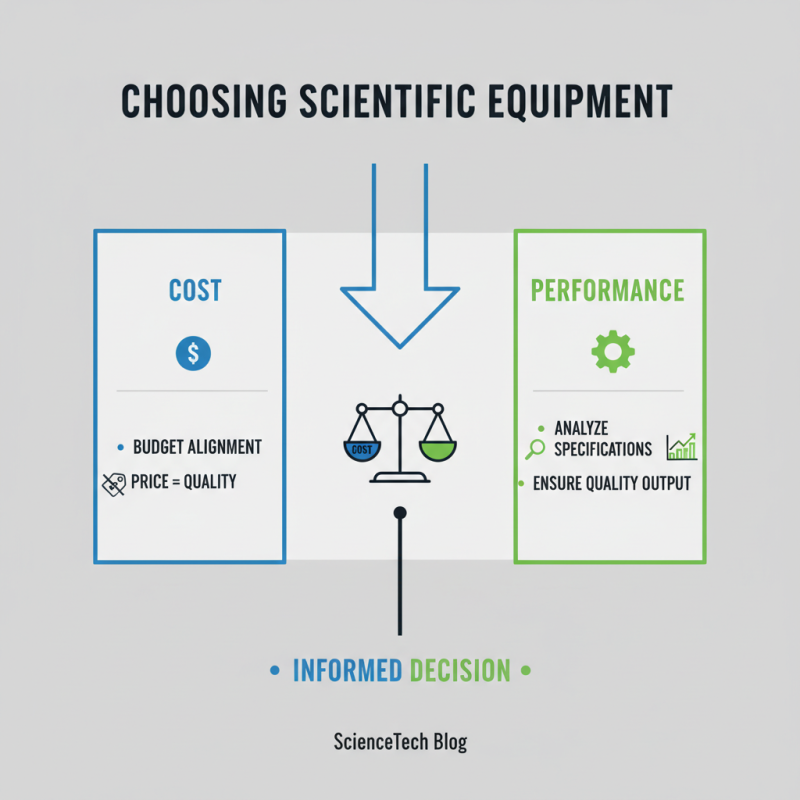
Choosing the right scientific equipment is critical for successful research and experiments. The right tools can enhance precision and efficiency in your work. However, selecting them is not always straightforward. Many variables come into play, from budget constraints to the specific needs of your field.
It's essential to consider the type of research you will conduct. Are you working in a lab that requires high-level accuracy or in a field scenario? Both situations demand different equipment. Failing to match your equipment to your needs may lead to unexpected results, mistakes, or wasted resources.
Investing in scientific equipment is about more than just functionality. It's about ensuring reliability and longevity. Researching brands, reading reviews, and seeking recommendations can help. Yet, sometimes the equipment may not meet your expectations. Therefore, it's vital to reflect on past choices and learn from any missteps to make more informed decisions in the future.

Understanding the Specific Requirements of Your Scientific Research
Choosing the right scientific equipment starts with understanding your research needs. Each experiment has specific requirements. The right tool can enhance accuracy and efficiency. Consider the precision needed for your measurements. Do you require high sensitivity or broad applicability? Identifying these factors narrows down your options.
Think about the environment in which you'll use the equipment. Will it face extreme temperatures or humidity? Certain materials may degrade under specific conditions. Reflect on previous experiences where equipment failed or underperformed. Learn from those moments. A thoughtful approach helps avoid repeating past mistakes. In addition, consult with colleagues or experts. Their insights can guide you toward better choices. Ultimately, understanding your unique research needs is crucial for successful experimentation.
Essential Tips for Choosing the Right Scientific Equipment
This chart represents the importance rating (on a scale from 1 to 10) for various key factors to consider when choosing scientific equipment. The factors assessed include Precision, Durability, Ease of Use, Cost, Maintenance, and Support.
Evaluating Quality Standards and Certifications in Scientific Equipment
When selecting scientific equipment, quality standards and certifications play a crucial role. Equipment must meet rigorous benchmarks to ensure reliability and safety. The ISO 13485 standard is particularly relevant. It pertains to the quality management systems for medical devices. According to a report by the International Organization for Standardization, companies compliant with this standard have fewer recalls and failures.
Tip: Always ask for certificates. A lack of documentation can indicate potential issues. Look for equipment with CE marks or FDA approvals. These certifications indicate adherence to safety standards. They can help you avoid unnecessary risks.
Consider the consequences of choosing low-quality equipment. According to a recent survey, 30% of researchers reported issues resulting from substandard tools. These issues can lead to inaccurate data and wasted resources. It's essential to evaluate the history of the certification. Older certificates may not reflect the current quality of the equipment.
Tip: Don't overlook customer feedback. It can provide valuable insights into product performance. Engage with other professionals in your field about their experiences. This peer feedback can highlight potential pitfalls you might miss. Quality assurance should never be an afterthought.
10 Essential Tips for Choosing the Right Scientific Equipment
| Tip |
Description |
Quality Standard |
Certification |
Considerations |
| 1 |
Assess your specific requirements. |
ISO 9001 |
CE Marking |
User needs and application type. |
| 2 |
Evaluate the durability of equipment. |
ASTM Standards |
UL Listing |
Material used and environmental factors. |
| 3 |
Check for user-friendly interfaces. |
ISO/IEC 25010 |
CSA Certification |
Ease of operation for end users. |
| 4 |
Look for warranty and support services. |
ISO 10002 |
Manufacturer Guarantees |
Availability of customer service. |
| 5 |
Verify calibration and accuracy. |
ISO/IEC 17025 |
National Metrology Standards |
Routine calibration requirements. |
| 6 |
Assess energy efficiency. |
Energy Star |
Eco-labeling |
Operating costs and environmental impact. |
| 7 |
Read reviews and feedback. |
Market Research Reports |
Consumer Ratings |
User experiences and performance. |
| 8 |
Compare costs and value. |
Cost-Benefit Analysis |
Industry Benchmarks |
Long-term investment vs. upfront cost. |
| 9 |
Ensure compliance with regulations. |
Regulatory Compliance Standards |
FDA Approval |
Safety and operational regulations. |
| 10 |
Consult with experts. |
Consultation Standards |
Professional Certifications |
Informed decisions based on expert advice. |
Examining User Reviews and Technical Support for Reliable Products
When selecting scientific equipment, user reviews are crucial. A study by Lab Manager reveals that 87% of researchers rely on reviews before making a purchase. Positive feedback can lead to increased confidence. However, it's essential to be cautious. Some reviews may be biased or manipulated. Seeking out diverse opinions helps mitigate this risk.
Technical support is another vital aspect. According to a report by Research and Markets, 65% of users report frustration due to inadequate support. When equipment fails, timely assistance is critical. Evaluate companies based on their customer service ratings. Companies with robust support often have better product longevity and user satisfaction.
In practical scenarios, consider your team’s needs. A device may receive high praise but may not be suitable for your specific applications. Always weigh the features against your priorities. Regularly revisiting reviews can help ensure you're not missing newer models or services as technology progresses. Balancing these factors can refine your decision-making process significantly.
Staying Updated with Technological Advances in Scientific Instruments
Choosing the right scientific equipment is crucial for any research project. Staying updated with technological advances ensures you select the best tools available. Regularly read scientific journals and attend conferences. These sources reveal cutting-edge technologies and innovations. Engaging with online forums can also provide insights into new instruments and user experiences.
One tip is to create a list of equipment features you need. Focus on precision, durability, and ease of use. Ensure that the instruments you choose align with current industry standards. Also, consider future-proofing your purchase. This might mean investing in multifunctional tools. They may seem pricier upfront but can save money later.
Additionally, don’t shy away from asking for demonstrations. Sometimes, what appears beneficial may not function as expected. Be prepared to adjust your choices based on hands-on experiences. Assess feedback from peers who use similar instruments. Their insights can guide you toward a more informed decision. Stay flexible and always question if your chosen tools remain the best fit for your evolving needs.