What is DL-Methionine and its Benefits for Health?
DL-Methionine is an essential amino acid with numerous health benefits. It plays a vital role in various bodily functions. Many people may not fully understand its significance. Often, we overlook how critical amino acids are to our well-being.
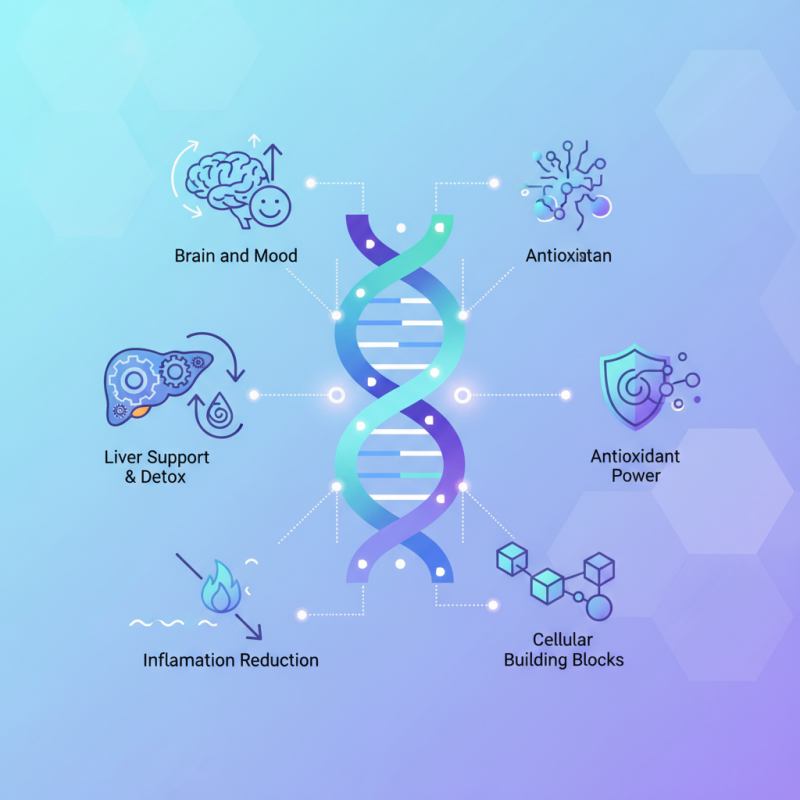
This compound is crucial for building proteins and synthesizing different molecules. DL-Methionine is also a powerful antioxidant. It helps combat oxidative stress in the body. Additionally, it supports liver function and detoxification processes. Many people might not realize the impact of amino acids on inflammation. This is an area worth exploring.
Understanding DL-Methionine promotes awareness of its benefits. It influences mood and mental health too. Some studies suggest it may help alleviate depression. However, more research is needed to fully understand its potential. Often, consumers overlook supplements like DL-Methionine despite their advantages. Making informed choices about supplementation can improve overall health and wellness.
What is DL-Methionine?
DL-Methionine is a vital amino acid important for human health. It is a sulfur-containing amino acid that plays a critical role in numerous biological processes. This compound is not produced by the body, making it essential to obtain from dietary sources. It serves as a building block for proteins and is crucial for the synthesis of other amino acids.
Research indicates that DL-Methionine contributes significantly to antioxidant defense mechanisms. According to data from the National Institutes of Health, it helps in detoxifying harmful substances. In dietary applications, DL-Methionine is found in foods such as meat, fish, and nuts. However, many people do not consume enough of it. A deficiency can lead to various health issues, including fatigue and compromised immune function.
Moreover, DL-Methionine has been studied for its potential to support liver health. Reports suggest that it aids in preventing fatty liver disease. A study published in a leading nutrition journal indicated that supplementation can improve liver function markers in at-risk populations. Still, the effectiveness can vary widely among individuals, pointing to a need for further investigation.
Benefits of DL-Methionine for Health
Chemical Structure and Properties of DL-Methionine
DL-Methionine is an essential amino acid. It plays a vital role in the body’s metabolism. Its chemical formula is C5H11NO2S. This structure includes a sulfur atom, which contributes to its unique properties. Methionine is a precursor for other amino acids. It is critical for protein synthesis.
In the human body, DL-Methionine helps produce collagen. This is vital for maintaining healthy skin and connective tissues. According to data from the World Health Organization, amino acids like methionine support overall health. They help in detoxification processes. However, excessive intake can lead to imbalances in other amino acids. This is a point worth considering.
Studies indicate that DL-Methionine might influence liver health. It aids in fat metabolism, yet too much can overload the liver. The balance of methionine in the diet is crucial. Sufficient intake supports health, but moderation is necessary. This duality is a reminder to approach supplementation with caution.
Health Benefits of DL-Methionine for the Body
DL-Methionine is an essential amino acid that plays a vital role in human health. It is critical for protein synthesis in the body. One of its main benefits is its ability to support liver function. The liver utilizes methionine to produce important compounds that help detoxify harmful substances.
Another benefit of DL-Methionine is its potential impact on mood and mental well-being. It contributes to the production of neurotransmitters. These chemicals regulate mood and are important for mental health. Some studies suggest that it may help alleviate symptoms of depression. However, the results can vary significantly among individuals.
In addition to these benefits, DL-Methionine is recognized for its antioxidant properties. Antioxidants help combat oxidative stress, which can lead to various health issues. However, excessive intake may cause imbalances. This highlights the importance of moderation. While the benefits are promising, more research is needed to understand all aspects of its effects on health.
Sources and Dietary Intake of DL-Methionine
DL-Methionine is an essential amino acid. It plays a crucial role in various bodily functions. Many people may not realize how important it is in our diet. This compound can be found in numerous food sources, often overlooked in everyday meals.
Animal products are rich in DL-Methionine. For example, lean meats, fish, and dairy are good options. Eggs are also an excellent source. Vegetarians might find it challenging to meet their intake requirements. While some plant-based foods like beans and nuts provide methionine, they often contain lower amounts. This can lead to deficiency if not monitored.
Many might not focus on their dietary balance. It’s common to forget about amino acids in vegetarian diets. A lack of this nutrient can result in various health issues. Incorporating a variety of foods is vital. Reflecting on our choices can lead to better health. Are we prioritizing a balanced intake of essential nutrients?
Potential Side Effects and Considerations for Use
DL-Methionine is an essential amino acid that plays a crucial role in various bodily functions. While it has several health benefits, potential side effects and considerations for use must also be addressed. Individuals should be aware of these before incorporating it into their regimen.
One notable side effect is gastrointestinal discomfort. Reports show that some users may experience nausea, bloating, or diarrhea. These symptoms may be mild, but they can impact daily life. Additionally, excessive intake of DL-Methionine might lead to elevated levels of homocysteine, a marker linked to cardiovascular issues. Monitoring levels is vital for those considering long-term use.
Tips: Start with a low dosage to assess tolerance. Consult a healthcare provider if you have preexisting health conditions. Maintain a balanced diet to mitigate any adverse effects. Understanding the risks can help users make informed decisions about supplementation.
Another consideration is its interaction with medications. DL-Methionine may affect how certain drugs work in the body. People on blood thinners or medications for psychiatric disorders should exercise caution. Always seek professional advice before making changes to your health routine. Awareness of potential interactions is critical for safe usage.
