iGene Labserve

What Is the Best Aluminum Drawing Machine from China?

Choosing the best Aluminum Drawing Machine from China requires more than comparing prices and motor power. The right choice depends on wire diameter, alloy grade, production speed, surface requirements, and factory layout. A machine designed for thin aluminum wire may perform poorly with larger rods. This detail is often overlooked.

In practical factory evaluations, I would inspect the drawing capstan, die box, cooling system, electrical controls, and tension stability. I would also ask for running videos, test samples, maintenance records, and customer references. Small details matter. A noisy gearbox, uneven lubrication, or unstable take-up tension can create costly defects over time. Reliable Chinese manufacturers should provide clear specifications, realistic output data, and responsive technical support. Certificates are useful, but they do not replace production evidence.

The best Aluminum Drawing Machine is not always the newest or cheapest model. It should match your material, target output, operator skills, and long-term service expectations. Energy consumption deserves attention too, especially in continuous production. A well-designed machine can reduce scrap and improve wire consistency, but only when correctly installed and maintained. Some supplier claims may sound impressive. They still require verification.

This guide compares essential machine features, supplier credibility, customization options, and after-sales support. It also considers common buying mistakes, including choosing speed before stability. The evaluation is not perfect, because every factory has different priorities. That is worth remembering. A careful decision combines technical evidence, hands-on inspection, and honest communication with the manufacturer.
What Is the Best Aluminum Drawing Machine from China?

What Is an Aluminum Drawing Machine?

What Is the Best Aluminum Drawing Machine from China?

An aluminum drawing machine reduces the diameter of aluminum rod or wire through hardened drawing dies. The machine pulls the material through each die with controlled force. This process improves dimensional accuracy, surface finish, and wire strength. Some systems use several dies in one continuous line. Others handle a single drawing pass.

A reliable machine usually includes capstans, die holders, tension controls, lubrication, cooling, and a take-up unit. These parts must work together. Poor tension can create scratches, breaks, or uneven diameters. Excessive heat may soften aluminum and damage its surface. Operators should check die alignment, lubricant cleanliness, and motor response during every shift. Small details matter.

When evaluating equipment from China, buyers should inspect the frame, electrical protection, spare-part access, and control accuracy. Ask for test data using an aluminum grade similar to your own material. A factory trial can reveal vibration, noise, and inconsistent winding. No machine is perfect. I would not judge performance from speed alone. Lower speed with stable tension may produce better wire and less waste. Some specifications look impressive on paper, yet practical maintenance can be difficult. That part deserves honest questioning before purchase.

How Aluminum Drawing Machines Work

What Is the Best Aluminum Drawing Machine from China?

How Aluminum Drawing Machines Work

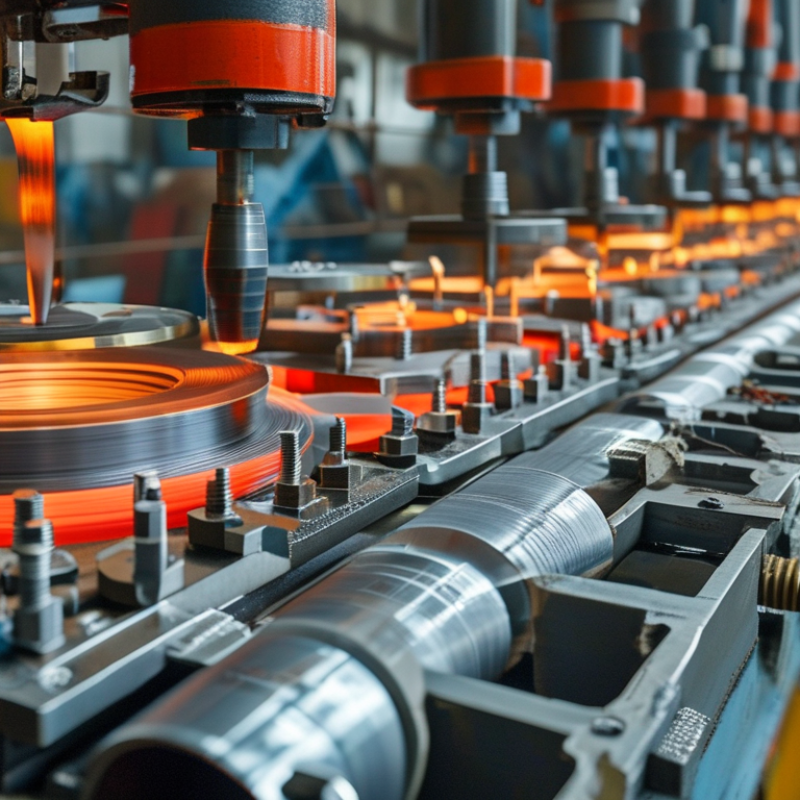
An aluminum drawing machine reduces rod or wire diameter by pulling it through a hardened die. The die compresses the metal and lengthens it. A rotating capstan then controls traction, speed, and final tension. In practical operation, lubrication is critical. Without a stable lubricant film, friction raises surface temperature and leaves die lines on the wire.

A typical process may reduce a 6.3 mm aluminum rod to 2.5 mm through several passes. Each pass needs a controlled reduction, because excessive deformation can cause cracks or unstable dimensions. Cooling systems protect the die and limit heat buildup. Some production lines also include online diameter measurement, automatic tension adjustment, and intermediate annealing for softer alloys. Small details matter.

The International Aluminium Institute reported approximately 72.9 million tonnes of global primary aluminum production in 2024. This scale increases demand for efficient downstream processing, including wire drawing. The International Aluminium Institute also reports that recycled aluminum uses about 95% less energy than primary aluminum production. However, recycled feedstock can vary in cleanliness and alloy composition. That variation affects drawing stability.

When evaluating a Chinese machine, I would inspect die alignment, capstan control, cooling performance, electrical efficiency, and maintenance access. I would not judge quality from maximum speed alone. A faster line may create more scrap if tension control is weak.

The calculation is easy to underestimate. Trial runs using the intended alloy and diameter remain the most reliable test.

Key Types of Aluminum Drawing Machines from China

What Is the Best Aluminum Drawing Machine from China?

Key Types of Aluminum Drawing Machines from China

Choosing the best aluminum drawing machine depends on the wire size, alloy, surface requirements, and production volume. A machine that performs well for thick rod may struggle with fine wire. In practice, I would not choose by speed alone. Stable tension often matters more than a dramatic maximum output.

Rod breakdown machines reduce large aluminum rods into smaller diameters. They usually need strong capstans, rigid frames, and accurate die alignment. Intermediate drawing machines continue this reduction across several passes. They are useful for producing consistent conductor wire. Fine wire drawing machines handle smaller diameters and require sensitive tension control. A small fluctuation can leave visible marks on the wire surface.

Wet drawing machines use liquid lubrication around the dies and wire. This design helps manage heat during continuous production. Dry drawing machines are simpler to maintain and may suit certain medium-sized wires. However, their lubrication system needs careful adjustment. That detail is easy to underestimate. Annealing units can restore flexibility after repeated drawing passes. Some production lines combine drawing and annealing, while others keep them separate for easier maintenance.

When evaluating equipment from China, inspect the capstan material, die cooling, electrical controls, and spare-part access. Ask for test results using your actual aluminum alloy. Check wire ovality, tensile strength, surface finish, and energy use. Factory videos are useful, but they do not replace a witnessed trial. My earlier assumption that higher speed meant better value was too simple. Long-term stability usually tells the fuller story.

How to Evaluate Machine Quality and Performance

What Is the Best Aluminum Drawing Machine from China?

How to Evaluate Machine Quality and Performance

Choosing an aluminum drawing machine requires more than comparing prices or polished product photographs. The frame should remain rigid during continuous operation, while the die box must hold accurate alignment. Even slight misalignment can create uneven wire surfaces, excessive die wear, and unstable dimensions.

Request a factory trial using your actual aluminum alloy and target diameter. Observe the wire after several hours, not just during a short demonstration. Check surface brightness, roundness, tensile consistency, and production speed.

Measure vibration near the capstan and listen for irregular motor noise. Small details matter.

Ask for documented testing records.

A reliable supplier should explain motor efficiency, cooling capacity, lubrication control, and emergency protection. The electrical cabinet should use clearly labeled wiring and provide fault messages that operators can understand. Review the tension system carefully. Poor tension control may cause wire breaks, scratches, or inconsistent reduction. It is also useful to inspect machining tolerances with independent measuring tools, rather than trusting only factory displays.

I would also examine maintenance access. Can workers replace dies without awkward lifting? Are critical spare parts available with traceable specifications? Does the supplier provide installation guidance, training, and a realistic warranty? A machine may perform well in a showroom yet struggle in a dusty production area. This is an easy point to overlook. The evaluation should include power consumption, noise, cleaning time, and long-run stability, because attractive speed figures can hide higher operating costs.

How to Choose the Best Chinese Aluminum Drawing Machine

What Is the Best Aluminum Drawing Machine from China?

Choosing the best Chinese aluminum drawing machine starts with your production requirements, not the lowest quotation. Define the aluminum alloy, incoming rod diameter, final wire size, and required daily output. A machine for fine electrical wire may not suit larger industrial profiles. The wrong match creates unstable tension, surface scratches, and excessive die wear.

From my experience reviewing production lines, capstan alignment deserves close attention. Ask the manufacturer for speed ranges, motor specifications, cooling methods, and tension-control details. Request a live trial using your own material when possible. Examine the finished wire under strong light. It should show consistent diameter and a clean surface. Review maintenance records, electrical documents, factory quality procedures, and spare-parts availability. A clear warranty also matters. However, paperwork alone cannot prove performance.

Tips: Compare total operating cost, not only the purchase price. Check energy use, die replacement frequency, setup time, and operator training. Ask for references from similar applications, but verify them independently. Confirm installation support and response times before signing an agreement. A short factory video is useful, but it is not enough. No checklist is perfect. Leave room for a physical inspection, sample testing, and an honest discussion about possible limitations.

What Is the Best Aluminum Drawing Machine from China? - How to Choose the Best Chinese Aluminum Drawing Machine
Machine Configuration Typical Inlet Diameter Typical Finished Diameter Number of Drawing Passes Typical Line Speed Typical Main Motor Range Best Application Key Selection Considerations
Single-die drawing machine 2.0–12.0 mm 1.0–10.0 mm 1 pass 2–8 m/s 7.5–30 kW Small production runs, size correction, laboratory work, and process development Simple operation and lower initial cost, but multiple machines may be needed for large reductions.
Multi-die straight-line drawing machine 3.0–12.0 mm 0.8–6.0 mm 6–13 passes 8–25 m/s 30–160 kW Check total reduction ratio, capstan synchronization, die accessibility, and automatic tension control.
Slip-type multi-die machine 1.5–8.0 mm 0.15–3.0 mm 8–16 passes 10–30 m/s 22–110 kW Fine and medium aluminum wire requiring several controlled reductions Suitable when controlled wire slip is acceptable; verify lubrication, heat removal, and wire surface requirements.
Fine-wire drawing machine 0.5–3.0 mm 0.05–1.0 mm 8–20 passes 10–35 m/s 15–90 kW Electrical, communication, winding, and precision wire applications Prioritize low vibration, precise capstan control, die alignment, surface finish, and stable take-up.
Combined drawing and annealing line 1.5–10.0 mm 0.2–4.0 mm 6–16 passes 8–30 m/s 45–220 kW Evaluate annealing temperature control, cooling length, contact materials, atmosphere protection, and energy consumption.
Heavy-duty rod breakdown machine 6.0–15.0 mm 1.5–8.0 mm 1–6 passes 2–12 m/s 75–315 kW Large aluminum rod reduction before intermediate or fine drawing Confirm frame rigidity, capstan torque, gearbox service factor, cooling capacity, and rod-feeding arrangement.
High-speed rigid-frame machine 1.5–8.0 mm 0.2–3.0 mm 8–16 passes 20–40 m/s 55–200 kW Continuous production where output and dimensional consistency are critical Require dynamic balancing, efficient cooling, automatic fault detection, guarded access, and reliable emergency stopping.
Servo-controlled drawing machine 1.0–10.0 mm 0.1–5.0 mm 4–16 passes 5–30 m/s 30–180 kW Flexible production with frequent changes in wire size and drawing recipes Compare motion accuracy, recipe management, tension feedback, drive response, and compatibility with factory automation.
Wet drawing machine 1.0–8.0 mm 0.1–3.0 mm 6–20 passes 8–35 m/s 30–180 kW Fine aluminum wire requiring improved lubrication and surface quality Inspect lubricant filtration, tank capacity, sealing, corrosion protection, die cooling, and maintenance access.
Dry drawing machine 2.0–12.0 mm 0.5–8.0 mm 1–13 passes 3–25 m/s 22–160 kW General-purpose aluminum wire production with simpler process requirements Consider dust control, lubricant application, die cooling, workspace cleanliness, and operating cost.
Recommended baseline for most buyers 3.0–10.0 mm 0.5–4.0 mm 8–13 passes 10–25 m/s 45–160 kW Choose a configuration with synchronized drives, closed-loop tension control, water cooling, accessible dies, and documented test-run results.
The figures above are typical engineering ranges for aluminum wire and rod drawing equipment. Actual values depend on alloy, temper, inlet condition, reduction schedule, die material, lubrication method, target mechanical properties, line layout, and local electrical standards. Request a process trial using the intended aluminum grade before final purchase.