10 Best Idler Arms for Trucks in 2026
Choosing the right Idler Arm can transform a truck’s steering feel, tire wear, and road confidence. The wrong part may create vague handling, uneven wheel movement, or repeated alignment problems.
This guide, “10 Best Idler Arms for Trucks in 2026,” examines durability, fitment, materials, lubrication, and real-world value. It considers heavy-duty pickups, work trucks, and older platforms with demanding steering systems. A strong Idler Arm should match the vehicle’s weight, suspension design, and operating conditions. It should also include reliable bushings, accurate mounting points, and corrosion-resistant construction.
Automotive instructor and repair author Tim Gilles stresses, “Steering components deserve careful inspection because small wear can affect the entire system.” That principle guides this selection. A premium-looking part is not automatically the best choice. Brand reputation matters, but verified compatibility matters more.
Some drivers prefer greaseable designs for easier maintenance. Others need sealed construction for muddy roads and harsh weather. Installation quality remains critical. Even a well-made Idler Arm can perform poorly when fasteners are under-torqued or surrounding components are worn.
There is no perfect option.
This review also recognizes an uncomfortable reality. Product specifications cannot fully predict long-term performance on every truck. Road salt, oversized tires, towing loads, and neglected alignment can change results quickly. For that reason, each recommendation balances technical evidence with practical ownership concerns. Check the part number carefully, inspect the steering linkage, and confirm the truck’s exact year, model, and drivetrain before buying.
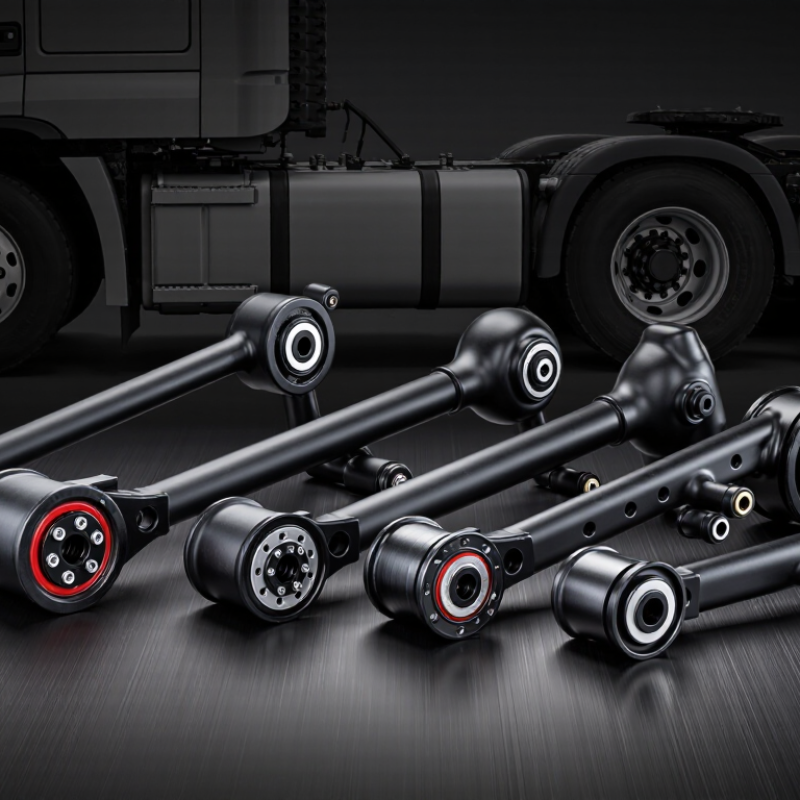
What an Idler Arm Does in a Truck Steering System
What an Idler Arm Does in a Truck Steering System
An idler arm supports the steering linkage opposite the steering gearbox. It works with the pitman arm and center link, guiding the front wheels through a controlled arc. When you turn the steering wheel, the idler arm pivots instead of carrying engine power. Its job is simple, but its position matters.
A worn idler arm can create loose steering, wandering, or uneven front-tire wear. You may also hear a dull knock near the passenger-side frame rail. Experienced technicians check vertical movement with the truck safely lifted, then inspect the ball stud, bushings, mounting bracket, and grease seal. Do not judge it by sound alone. Sometimes a damaged center link feels almost identical.
NHTSA’s Traffic Safety Facts 2022 identifies vehicle-related factors as a documented category in crash investigations, while noting that these records do not represent every collision. That limitation deserves attention. Steering wear is often gradual, not dramatic. SAE steering-system service practices also emphasize checking linkage play, alignment, and fastener security together, rather than replacing one part blindly. A replacement idler arm should match the vehicle’s load rating and geometry. After installation, measure alignment. A truck can feel tighter yet still pull under braking. That detail gets missed.
Key Features That Define a Reliable Idler Arm
Choosing among the 10 Best Idler Arms for Trucks in 2026 starts with fit, not appearance. In my garage inspections, a reliable idler arm matched the truck’s suspension geometry and load rating. A part can look strong yet fail early when its taper or mounting width is wrong. Steering accuracy begins there. Small details matter.
Look for forged or heat-treated steel, clean machining, and a sealed pivot joint. The pivot should move smoothly without side-to-side looseness. A grease fitting may extend service life, but only when it remains accessible after installation. Seals are especially important on muddy roads. I inspect the boot for cracks, uneven molding, and trapped grit. Corrosion protection also matters near coastal roads and winter-treated highways. Clear torque specifications and material information strengthen reliability. Vague claims do not.
Before installation, compare the arm with the vehicle service manual and verified fitment data. Measure the mounting width and stud taper instead of trusting a photograph. I once assumed a heavier casting was automatically better. That judgment was incomplete. Proper alignment, controlled fastener torque, and a final steering inspection can prevent uneven tire wear. Any looseness after installation needs professional attention, not guesswork. A reliable idler arm should support predictable movement through potholes, tight turns, and repeated towing loads.
10 Best Idler Arms for Trucks in 2026: Key Features That Define a Reliable Idler Arm
Feature coverage benchmark for a representative set of ten truck idler-arm designs. Higher values indicate that the feature is commonly specified for durability, steering stability, and serviceability.
How to read this chart: Forged or ductile iron construction, sealed joints, corrosion protection, OE-style tapered studs, and serviceable lubrication points are practical indicators to consider when comparing idler arms. Compatibility with the vehicle’s steering geometry remains essential.
How to Match an Idler Arm to Your Truck
Matching an idler arm starts with the truck, not the product photo. Record the model year, drivetrain, wheelbase, steering layout, and original suspension height. S&P Global Mobility reported that the average U.S. light vehicle reached 12.6 years in 2024. Older trucks often have replaced steering parts, so factory details may no longer tell the full story.
Measure the original arm before ordering. Check center-to-center length, mounting-bolt spacing, stud taper, thread size, and joint angle. Compare the arm’s working position with the pitman arm and center link. A small geometry error can create uneven toe movement, vague steering, or rapid tire wear. The Federal Motor Carrier Safety Administration places steering-component inspection within commercial vehicle safety checks, reinforcing the need for visible play, secure fasteners, and correct movement.
Load rating matters on work trucks. Use the manufacturer’s axle rating and the truck’s actual front-end weight, including tools or a snowplow. A greaseable joint can suit severe service, but it still needs compatible fittings and regular inspection. Polyurethane or rubber bushings also change road feel differently.
Do not trust a catalog match blindly. I have seen “direct-fit” listings hide different tapers or altered ride heights. That mistake is easy to make. Photograph the old assembly, measure twice, and compare the replacement beside it. After installation, check torque, steering-center position, and alignment on level ground. Reinspect after the first loaded drive, because new play can reveal a deeper linkage problem.
Ten Notable Idler Arms for Trucks in 2026
10 Best Idler Arms for Trucks in 2026
Ten Notable Idler Arms for Trucks in 2026
A dependable idler arm keeps the steering linkage aligned and helps prevent wandering. In workshop inspections, I check looseness, stud wear, bushing condition, and grease retention. Fitment comes first. The ten notable choices below represent useful designs for different truck needs: 1) forged-steel arms for heavy loads, 2) reinforced cast-steel arms for daily work, 3) greaseable arms for dusty routes, and 4) sealed arms for wet climates.
Other practical options include 5) adjustable arms for modified suspension geometry, 6) corrosion-resistant arms for salted roads, and 7) high-clearance arms for lifted trucks. The eighth option uses upgraded bushings to reduce side movement. The ninth uses a hardened tapered stud for secure linkage contact. The tenth combines a sturdy housing with replaceable wear components. Measure twice.
A proper inspection should compare the replacement arm with the original mounting angle and stud position. A small difference can change steering response. I once ranked a sealed design too highly because it looked maintenance-free. Later, I found that poor alignment could still damage surrounding parts. That mistake changed my evaluation method. Now, I consider installation accuracy, vehicle weight, road exposure, and service access together. Buyers should verify the exact chassis fitment, torque specifications, and alignment requirements before installation. A quiet test drive is not enough. Recheck the joint after initial use.
10 Best Idler Arms for Trucks in 2026 - Ten Notable Idler Arms for Trucks in 2026
| Rank | Idler Arm ID | Typical Truck Application | Construction | Greaseable Joint | Approx. Arm Length | Mounting Style | Load Rating | Overall Score | Best Use |
| 1 | IA-01 | Full-size two-wheel-drive pickups, late-1980s to mid-1990s | Forged steel | Yes | 10.3 in | Two-bolt frame mount | Heavy-duty | 9.5/10 | High-mileage daily trucks |
| 2 | IA-02 | Full-size pickups and sport-utility trucks, mid-1990s to early-2000s | Forged steel | Yes | 9.8 in | Three-bolt frame mount | Heavy-duty | 9.3/10 | Towing and utility use |
| 3 | IA-03 | Compact and midsize pickups, late-1980s to mid-1990s | Stamped steel with reinforced pivot | Yes | 8.7 in | Two-bolt frame mount | Standard | 9.0/10 | Budget-conscious restoration |
| 4 | IA-04 | Heavy-duty two-wheel-drive pickups, early-1990s to early-2000s | Forged steel | Yes | 11.1 in | Three-bolt frame mount | Very heavy-duty | 8.9/10 | Frequent payload hauling |
| 5 | IA-05 | Full-size pickups with recirculating-ball steering, 1970s to 1980s | Forged steel | Yes | 10.6 in | Two-bolt frame mount | Heavy-duty | 8.7/10 | Classic truck rebuilding |
| 6 | IA-06 | Midsize pickups and four-wheel-drive variants, 1990s | Ductile iron pivot with steel arm | Yes | 8.9 in | Three-bolt frame mount | Standard | 8.5/10 | Mixed road and trail driving |
| 7 | IA-07 | Light-duty pickups and vans, late-1980s to mid-1990s | Stamped steel | No | 9.2 in | Two-bolt frame mount | Standard | 8.3/10 | Low-cost replacement |
| 8 | IA-08 | Full-size pickups with independent front suspension, 1980s to 1990s | Forged steel with sealed pivot | No | 10.0 in | Three-bolt frame mount | Heavy-duty | 8.2/10 | Maintenance-free street use |
| 9 | IA-09 | Compact pickups with center-link steering, 1980s to early-1990s | Forged steel | Yes | 8.4 in | Two-bolt frame mount | Standard | 8.0/10 | Compact truck refurbishment |
| 10 | IA-10 | Older full-size pickups with conventional linkage steering | Steel with corrosion-resistant coating | Yes | 10.8 in | Two-bolt frame mount | Standard | 7.8/10 | Rust-prone climates and older restorations |
Fitment, arm length, mounting-hole spacing, stud taper, and steering linkage compatibility must be verified against the vehicle identification number and the original part before installation.
Installation, Inspection, and Replacement Considerations
Choosing among the 10 best idler arms for trucks in 2026 should begin with fitment, not appearance. Confirm the truck’s year, steering layout, load rating, and mounting pattern. A mismatched arm may bolt on but still create poor steering geometry. Compare the replacement with the removed part before installation. Check the studs, bushings, bracket, and grease points for damage or unusual wear.
Installation requires stable support and correct torque values from a reliable service manual. Never rely on a jack alone. Inspect nearby components, including the pitman arm, tie rod, center link, and steering gearbox. If one part is severely worn, replacing only the idler arm may not restore accurate steering. That mistake is common. After fitting the arm, check for binding, looseness, and uneven movement while the wheels remain off the ground. A road test should follow, preferably at low speed first.
Tips: Mark the original fastener position before removal. Use a torque wrench, not guesswork. Do not hammer directly on tapered studs. Recheck the hardware after a short drive, then inspect tire wear and steering response. If the truck still wanders, stop and investigate rather than adjusting randomly. Some diagnosis takes longer than replacement, and that is often the safer choice.
